Main / Research / Scientific research centers and laboratories
Scientific research centers and laboratories

The teaching staff of university includes 650 lecturers, including 68 doctors and 288 candidates of science who actively participate in realization of research projects (budgetary, contractual, international) solving social and economic problems of agrarian and industrial complex. There are some scientific projects ready to manufacturing application and to increase labor productivity and production of competitive goods.
Scientific-technical and production potential of university allow to make complex research and developmental works, providing a full cycle of development, research and examination of science-intensive products.

Scientific achievements of university staff
In 2009 – 2011 by the results of scientific researches twenty members of teaching-staff and young scientists of university were awarded for outstanding achievements in the area of science and in 2011 more than 70 innovative patents were defended within five research institutes, one center and design office.

International scientific projects
The research work in S.Seifullin Kazakh Agro Technical University is conducted within the international project: "Research the opportunities to use insurance schemes in plant growing on the basis of weather indexes", financed by the Swiss national fund of science in common with the foreign scientific organizations: Institute of Environmental Decisions – ETH (Zurich, Switzerland), All-Russian scientific research institute of agricultural climatology (Obninsk, Russian Federation), Institute of space efforts of the Ministry of Education and Science (Almaty, RK) with the amount of financing 34,5 thousand of Swiss francs.
Organizations: Institute of Environmental Decisions - ETH (Zurich, Switzerland), Russian Scientific Research Institute of agro climatology (Obninsk, Russia), Space Research Institute of MSE RK (Almaty, Kazakhstan) with funding of 34.5 million of Swiss francs.

Agroecological testing center (laboratory) at the S.Seifullin Kazakh Agrotechnical University

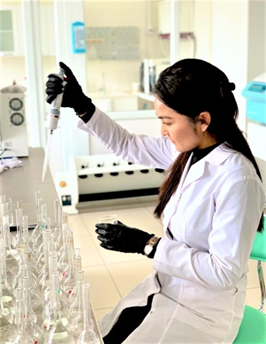
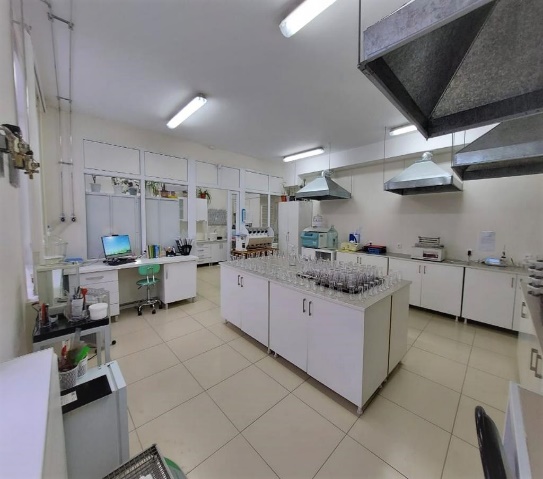
The agroecological testing center (laboratory) was established in 2019 on the basis of S.Seifullin Kazakh Agrotechnical University  and accredited in the state system of technical regulation of the Republic of Kazakhstan in accordance with the requirements of ST RK ISO / IEC 17025 - 2019 (accreditation certificate No. KZ. Т.01.2238 dated 07/22/2019).

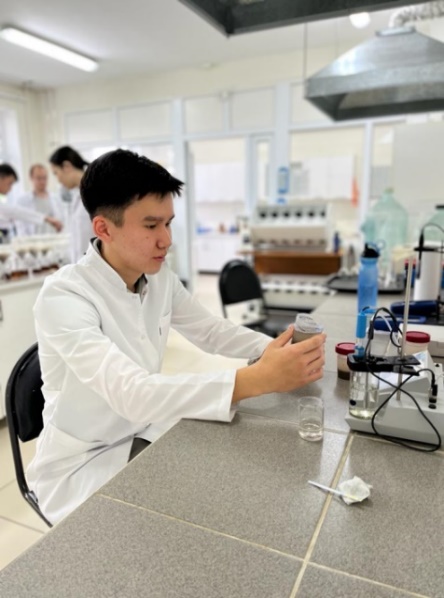
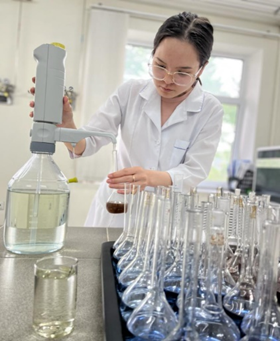
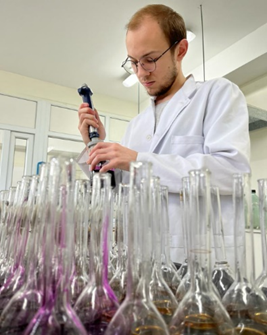
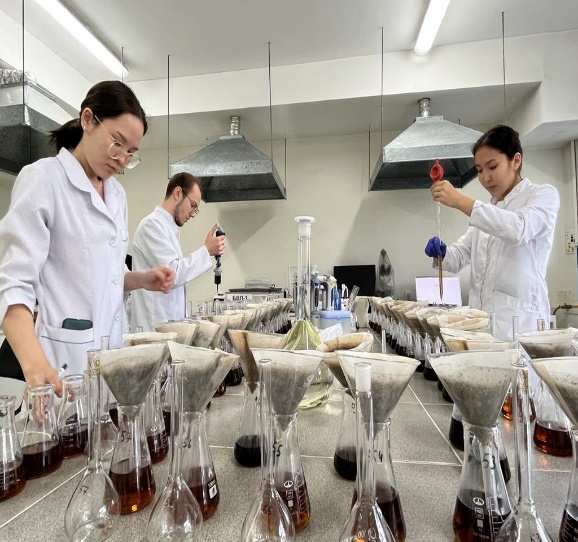
The Agroecological Testing Center provides comprehensive services for planning, sampling and laboratory analysis of water and soil samples using modern methods and tools for sampling and analysis.

The main area of work of the Agroecological Testing Center is the physical-chemical, chemical and soil-agrochemical examination of soils, as well as testing water samples.

ATC has a highly qualified management and technical staff, competent in accordance with their education, skills and work experience.

It has all the necessary base of regulatory documents - GOSTs, technical conditions and regulations, regulatory documents for research methods. It is equipped with modern domestic and European equipment, which allows providing high-quality services in the field of soil science, agrochemistry and ecology.


Agro-ecological testing center includes 3 laboratories:

1. Laboratory of Soil Research

2. Laboratory of chromatography and capillary electrophoresis

3. Laboratory of spectrometric research

Soil Research Laboratory

A balanced supply of plant nutrients in the soil is an important task for a modern agricultural producer. The agrochemical background of the soil makes it possible to reliably predict the average yield, and this directly affects the financial planning process. Soil Research Laboratory offers its clients comprehensive services for planning, sampling and laboratory analysis of soil samples using modern methods and tools for sampling and analysis.

For the analysis of soil samples, all modern methods are used, such as spectrophotometric, flame photometry, ionometric, conductometric, atomic absorption, spectrometry in the near infrared region, etc.

The Soil Research Laboratory conducts a comprehensive agrochemical survey of soils for more than 20 indicators in the field of accreditation, as well as for more than 20 indicators outside the scope of accreditation (to consider the issue of optimizing the nutrition of agricultural crops, it analyzes plant samples):

In the field of accreditation, the following analyzes are carried out:

- Determination of nitrogen (total nitrogen, NH4, N-NO3)

- Determination of mobile phosphorus

- Determination of exchangeable potassium

- Determination of mobile sulfur

- Organic matter (humus)

- Determination of exchange cations in the soil: Na, NH4, K, Ca, Mg.

- Determination of Ca2+, Mg2+ in water extract

- Determination of the granulometric composition of the soil

- Determination of soil pH (by water and salt extract)

- Determination of Cl-, SO42- in water extract

- Determination of carbonates in water extract

- Determination of hydrocarbons in water extract

- Dense residue of water extract of the soil

- Selection and sample preparation of soil samples

Additional services outside the scope of accreditation:

- Determination of the amount of exchange cations Ca2+, Mg2+, Na+

- Determination of the specific electrical conductivity of soils

- Determination of hygroscopic soil moisture

- Determination of the density of the solid phase of soils

- Determination of the group composition of soil humus

- The content of heavy metals, impurities, salts, etc. (chromium, manganese, iron, cobalt, nickel, copper, zinc, molybdenum, cadmium, tin, antimony, mercury, lead, silver, gold, aluminum, vanadium, beryllium, selenium, titanium, arsenic)

- Determination of the quantitative composition of mineral and organic fertilizers

- Definitions of nutrients in plants

- Definitions of heavy metals in plants

- Determination of the physical and physico-mechanical properties of the soil

A comprehensive soil survey includes three stages:

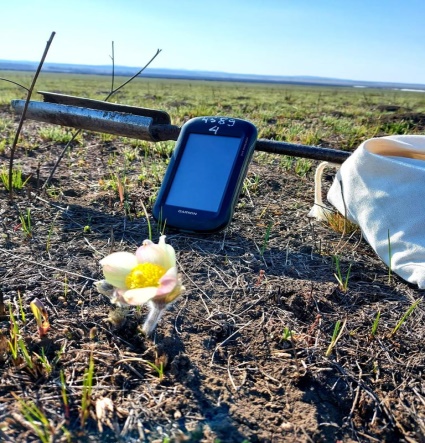
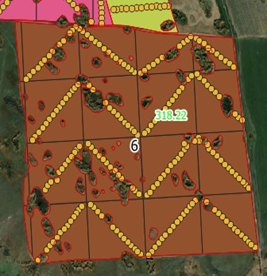
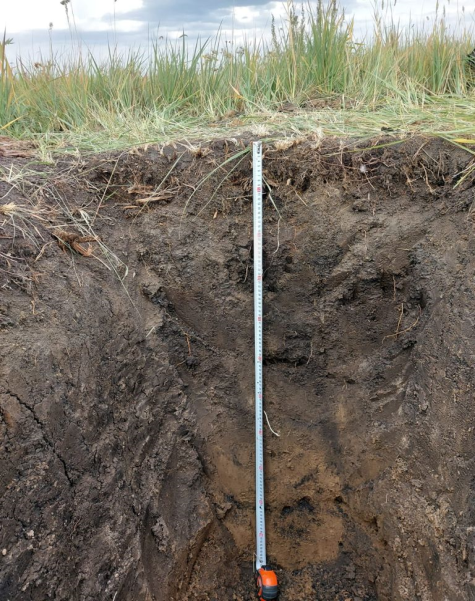
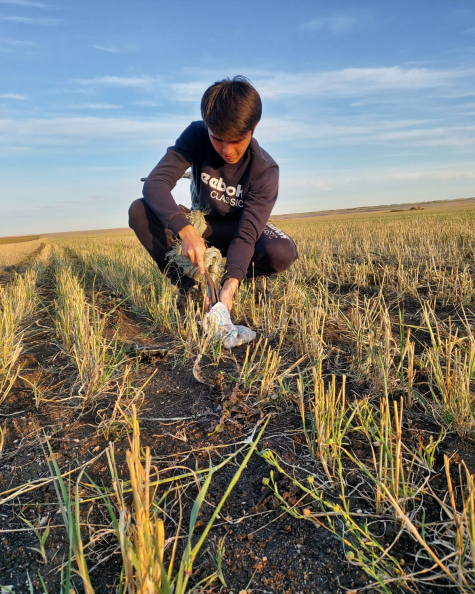
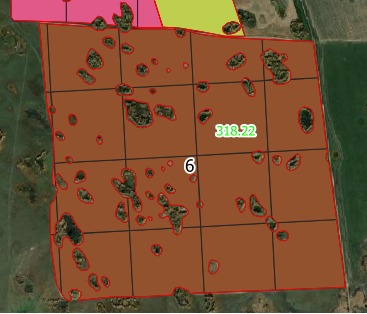
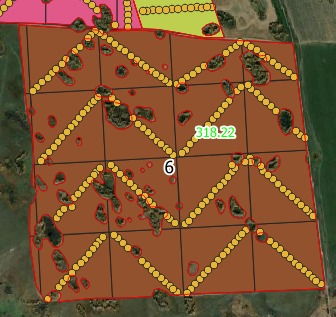
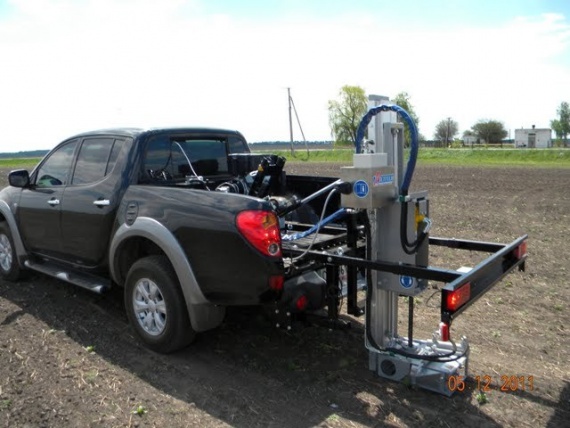
- Field stage - selection of soil samples. Sampling for soil analysis is carried out on a grid of 25, 10, 5 or 1 ha. Samples are taken manually or with a sampler that is attached to the body or inside the cab of the vehicle. Sampling depth - from 10 to 120 cm. It is important to choose the right sampling method that ensures the representativeness of the samples. For agrochemical inspection with spatial reference, we use a mobile automated complex equipped with a GPS receiver, an on-board computer, an automatic sampler and software. The use of modern technologies makes it possible to obtain more accurate maps of the spatial distribution of agrochemical indicators within each field.

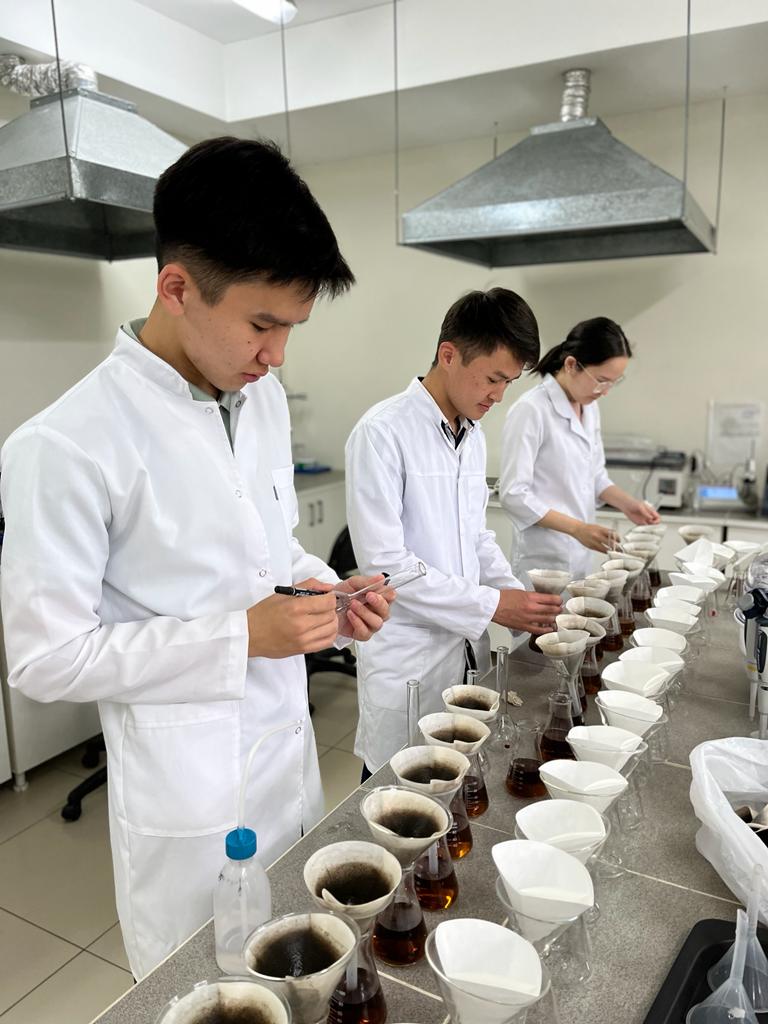
- Analytical stage - soil analysis. Samples are sent for analysis to a highly efficient multifunctional laboratory. Methods are used that allow to accurately determine the chemical and physical state of soils.

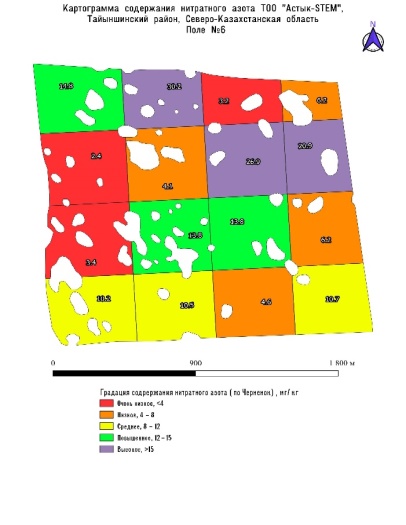
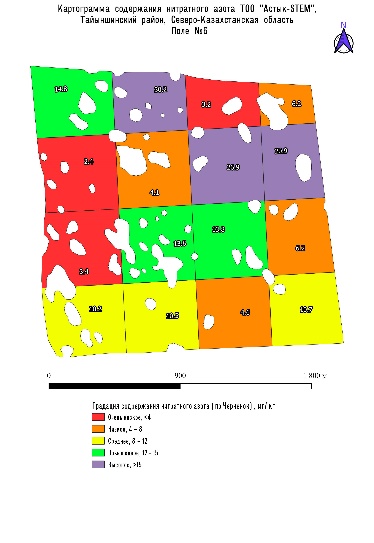
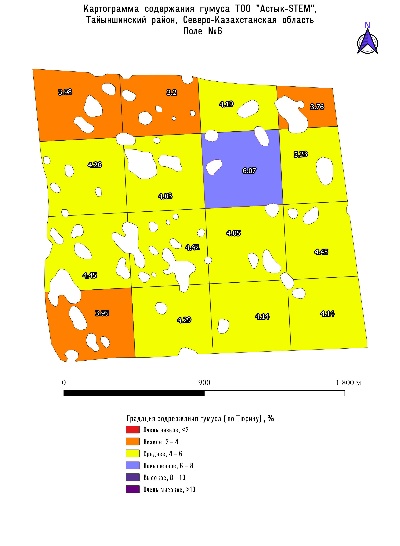
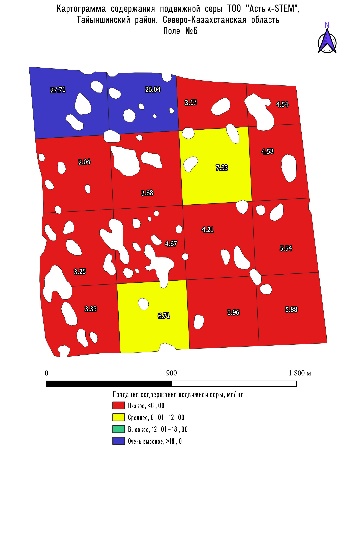
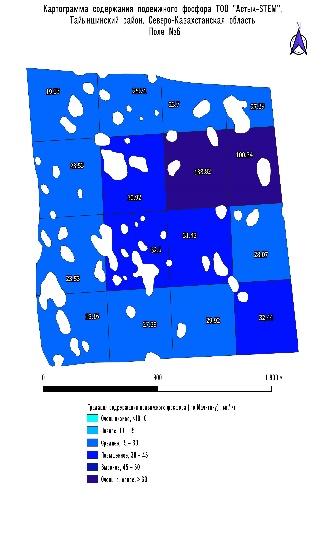
- Cameral stage - drawing up electronic maps and cartograms. Based on the results of agrochemical studies, electronic agrochemical cartograms are compiled for all indicators, an explanatory note or recommendations on the use of fertilizers and a specific calculation of doses of mineral or organic fertilizers are given, depending on the customer's request.

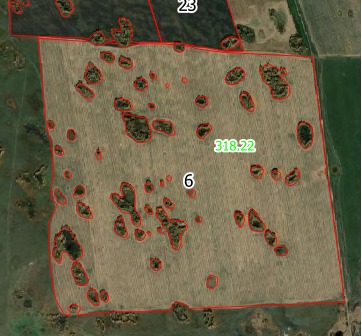
Soil sampling scheme using GIS technologies


Agrochemical cartograms


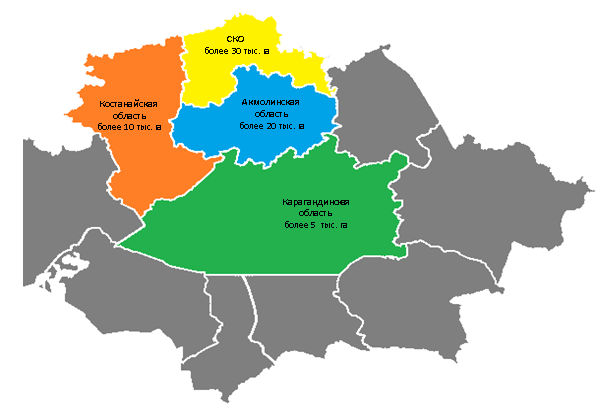
To date, the soil laboratory has conducted surveys with a total area of more than 60,000 hectares for such large farms as ASKOP LLP, SEVER AGRO LTD LLP, Astyk-STEM LLP, North Kazakhstan SHOS LLP, Kokshetau LLP Astyk Invest LTD, etc.

Surveyed areas until 2023

Laboratory of chromatography and capillary electrophoresis and laboratory of spectrometric studies.

Agro-ecological testing center (laboratory) provides services for determining the physical and chemical properties of water, which directly considers environmental and agricultural issues.

Agriculture uses a variety of water sources. Each of them has its advantages and disadvantages, and any agricultural producer should know them.

Water quality and composition are factors that should not be underestimated; in fact, they affect plant development, soil structure and directly the irrigation system.

Quality criteria may vary between crops as different crops have different susceptibility to certain minerals or water properties. The quality of source water has a direct impact on the solubility, delivery and availability of added plant nutrients.

Tests on water bodies are carried out on more than 30 indicators in the field of accreditation and outside the field of accreditation:

In the area of accreditations:

  • Physical properties of water: pH (pH), temperature
  • Organoleptic indicators of water: taste, smell, color, turbidity.
  • Generalized indicators of water: total hardness, suspended solids, total mineralization (dry residue), permanganate oxidizability, chemical oxygen demand (COD).
  • The content of water pollutants: nitrates, nitrites, ammonium, sulfates, phosphates, polyphosphates, total phosphorus, fluorides, chlorides, barium, calcium, potassium, magnesium, sodium, strontium, lithium.
  • Sampling of natural, drinking and waste water

Additional services outside the accreditation scope:

  • Heavy metals (chromium, manganese, iron, cobalt, nickel, copper, zinc, molybdenum, cadmium, tin, antimony, mercury, lead, silver, gold, aluminum, vanadium, beryllium, selenium, titanium, arsenic)
  • Determination of the electrical conductivity of water
  • Content of active chlorine


Agro-ecological testing center (laboratory) provides additional services to improve the skills of laboratory staff for analysis. Also, the employees of the center participate in seminars and advanced training courses for agricultural producers in the areas of agrochemistry and soil science, mineral nutrition of crops, the scientific basis for the use of mineral and organic fertilizers in crop rotations, which are conducted by NJSC "KATU named after. S. Seifullin.


Contacts

Head of the Agroecological Testing Center (laboratories) – PhD, Akgul Kassipkhan

Numb.: 8-708-775-69-62

e-mail: sceco_katu@mail.ru

address: Astana, st. Y. Altynsarin, 2 (2nd building of KATU),

lab.№2208, 2218, 2206, 2002, 2213


The main equipments of the Agroecological Testing Center (laboratory)

automatic soil sampler Wintex 2000

Spectrophotometer РhotoLab® 7100 VIS

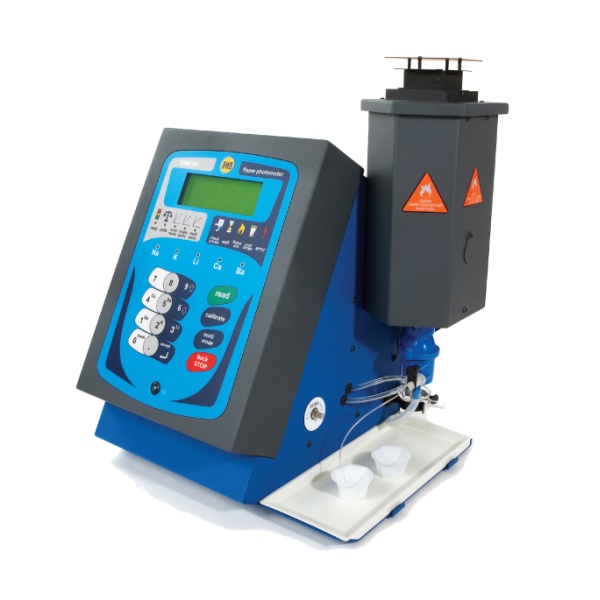
Flame photometer BWB XP

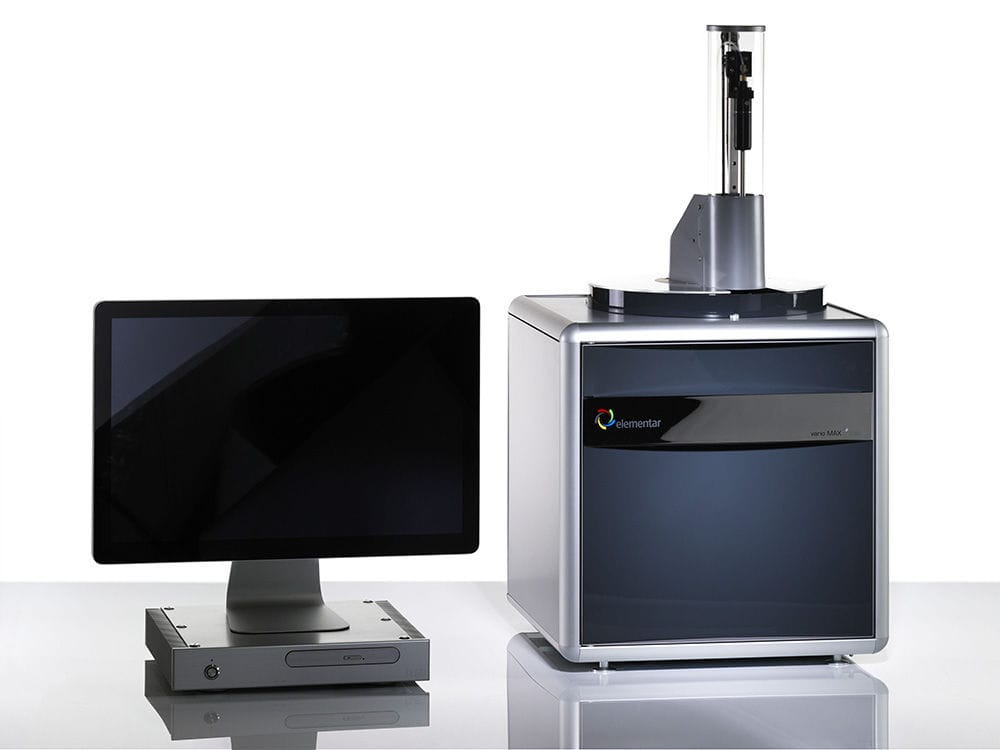
Element macro analyzer CNS vario MAX cube

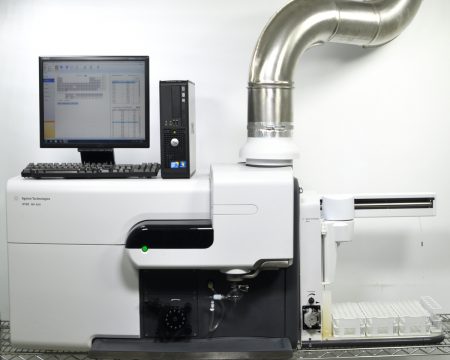
Agilent 4200 MP-AES Microwave Plasma Atomic Emission Spectrometer

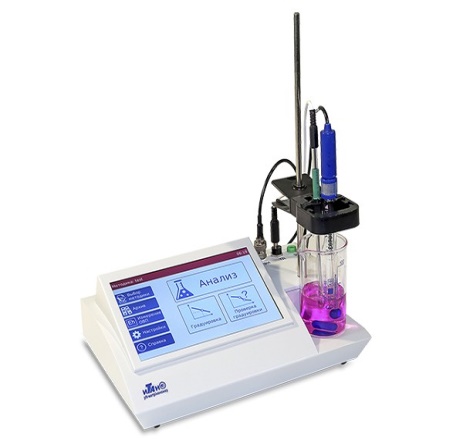
pH-meter/ ionomer ITAN

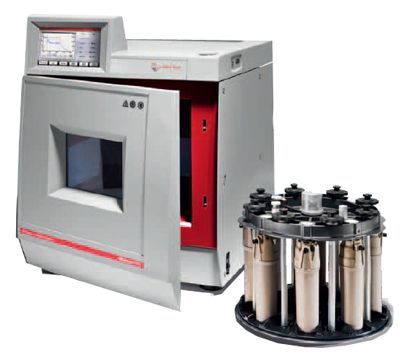
Microwave sample preparation system Multiwave pro, Anton Paar

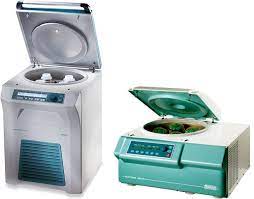
Centrifuge Rotanta 560 and Rotanta 460

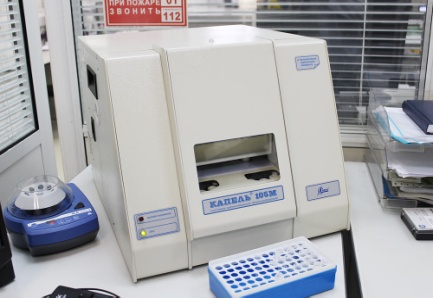
System of capillary electrophoresis "Capel-105M"


list of services provided by ATC


Staff of the Agroecological test center (laboratories)

Kassipkhan Akgul, Doctor PhD, Head of the agroecological testing center
Orynbaeva Botha, мaster a.s., Head of the Laboratory of Soil Research
Nazarova Aiman, мaster a., Researcher for Laboratory of Soil Research
Mikhailov Danila, вachelor with a degree in soil science and agrochemistry, researcher at the Аgroecological testing center
Centre for Energy Saving and Spread of Knowledge

  Director of the Centre
  Talgat Mukhamedkhassanovich Zhakupov
  Candidate of Technical Sciences, Senior Lecturer e.mail: Sultan_200779@mail.ru
  Phone: 8 (7172) 317526, 87078452074
  Centre for Energy Saving and Spread of knowledge was founded on December 8, 2012 according to Consortium Agreement # 3       dated 21.07.2011 between JSC «Kazakhstan Centre for Modernization and Development of Housing and Public Utilities» and     «S.Seifullin Kazakh Agro Technical University» at the Energy Department.
 Objectives are focused on implementation of the Law of RK "On Energy Saving and Energy Efficiency", in introducing the state   policy in the field of energy conservation, the state program of modernization of housing and public utilities, joint activities for training and retraining, development of scientific research in the sphere of housing and public utilities, strengthening integration of education and business structures.
Partners:
Program of development of the UN / State Energy Saving, LLP «Asan-Astana», «LEGRAND», ENSI (Norway), «Kazakhstan Pipe Plant», LLP «Energy Company», Corporation «TekhnoNikol», Group of «PENETRON» Company (Russia), Regional Centre for Energy Saving, LLP «Energostan», JV «Danfoss».
Key research areas:
1. Research of reliability in power systems;
2. Renewable energy sources;
3. Energy-saving technologies;
4. Energy audit of buildings;
Kazakhstan based on software products ENSI-Energy Saving International AS

Design Office

 Director of Design Office is Doctor of technical sciences, acting professor, academician of Academy of Agricultural   Sciences of the Republic of Kazakhstan, corresponding member of the National Academy of Sciences of     Kazakhstan Nukeshev Sayakhat Orazovich.
 E-mail: Snukeshev@mail.ru
 Phone: 8 (7172) 39-73-30


"Design Office" (DO) was organized at the Technical Faculty on the basis of the order № 303 of 14 October 2011 of the Rector of S.Seifullin Kazakh Agro Technical University pursuant to the decision of the Academic Council of S.Seifullin KATU on January 27, 2011 "As a result of research work of professional teaching staff in 2010 and tasks for 2011" and in order to fulfill the conditions of the contract about opening the Design Office - structural subdivision of "Centre of agricultural machinery," the organization of educational subdivisions, practical base, professional cooperation and collaboration with «KazSRIMEA"(Kazakh Scientific Research Institute of Mechanization and Electrification of Agriculture) Ltd. The main purpose of "DB" is to increase the quality of educational services and the promotion of commercialization and manufacturing application of scientific research of the university scientists.

Main tasks:
• Writing research projects and participation in competitions in the priority directions of applied research on development and improvement of techniques and technology, as well as in international projects;
• Formation of creative teams from the leading scientists of the department and related scientific organizations involving undergraduates and doctoral candidates for implementation projects of republican and international programs;
• Participation in the formation of programs and methods of scientific research and monitoring of their realization by responsible executives of subjects;
• Search and involvement of perspective scientists among graduates of a magistracy and doctoral studies in order to strengthen personnel capacity of "DO";
• Ensuring the integration with scientific institutions and Republic higher educational institutions, scientific centers of foreign countries;
• Assistance in the promotion of advanced scientific achievements and the introduction of the results of research in the educational process;
• maximum use of the material and technical basis of "DO" for the preparation of highly qualified specialists - design engineers, by involving senior students to participate in the implementation of research projects;
• Attraction of other investments for SRW performance in DO, and the conclusion of agreements with businesses;
• Introduction of completed research work into production.

The main research areas:

- Development and improvement of the working parts of tillage, sowing, fertilizing and harvesting machinery;
- Development of technical means for the differentiated processing of soil, the differentiated crop and application of mineral fertilizers in the system of exact agriculture;
- Development of means of the mechanization of livestock;
- Development of photoelectric systems for autonomous consumers;
- Development of ultrasonic gas meters for ASCUE (Automatic System of Control of Ultrasonic Energetics) systems.

The realized scientific projects:
According to the "Improving the competitiveness of agricultural products" project, realized Ministry of Agriculture of the Republic of Kazakhstan together with the World Bank:
-"Development of informational technology and technical means for the differentiated application of mineral fertilizers with using space navigation system (GPS, GLORESS)";
- "Improvement of technology and technical means for applying main dose of mineral fertilizers at zero tillage of the soil".

The new financing:
According to the budget program 042 "Applied scientific research in the field of agro industrial complex" Ministry of Agriculture of the Republic of Kazakhstan
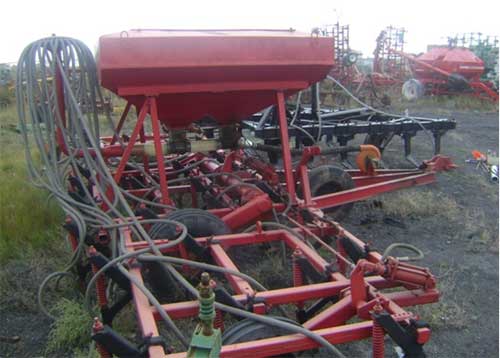
1. "Development of the seeder for sowing grain with simultaneous application of mineral fertilizers in moisture saving cultivation technology of agriculture" (the supervisor is doctor of technical sciences, Professor Aduov M.A.) – to the sum of 5 500 000 tenge a year. The period of realization is 2012-2014 in the technology business incubation
2. "The introduction of informational technology of differentiated application of fertilizers in precision farming" (the supervisor is Doctor of technical sciences, acting professor Nukeshev S.O.) – to the sum of 7,150,265 tenge. Realization term is 2012
3. "Development of software and technical means of control and management of the automated technological process of the differential application of seed and fertilizer in the accepted positioning system" (the supervisor is doctor of technical sciences, acting professor Nukeshev S.O.) – to the amount of 9 000000 tg. Realization term is 2012-2014, within the grant funding of Committee of Science of Ministry of Education and Science of the Republic of Kazakhstan
4. "The development and implementation of innovative technology of plasma processing and hardening of the most loaded machine parts and mechanisms assemblies" (the supervisor is Doctor of technical sciences, Professor Kanaev A.T.) – to the amount of 5 million tenge a year. Implementation period is 2012-2014. As a result of realization of financed and initiative SRW are developed and introduced into production:
- Informational technology of differentiated application of mineral fertilizers and cultivator-fertilizers with central sowing system for its implementation;


- Chisel-fertilizer for the application of the main dose of mineral fertilizers at zero processing of the soil.


Selected publications

1. Nukeshev S.O. Technological and technical solutions of the problem of tiered differentiated application of mineral fertilizers. Agro panorama. № 2. - Minsk: BSATU publishing house, 2012. - P.2-5.
2. Nukeshev S.O. Scientific basis of intra soil differentiated application of mineral fertilizers in the system of precise agriculture (monograph). - Astana, 2011. - 358 p.
3. Eskhozhin D.Z., Nukeshev S.O., Tleumbetov K.M. Some research results of ploughshare for belt intra soil application of mineral fertilizers / Achievements of science, to agro industrial production. Materials of Scientific and technical Conference. Part III. - Chelyabinsk CHSAA, 2011. - P.132-140.
4. Syzdykov D.A., Nukeshev S.O. Justification of parameters of fertilizer sowing apparatus of fertilizer / Achievements of science, to agro industrial production. Mat. Scientific and tech. Conf. Part III. - Chelyabinsk CHSAA, 2011. - S.202-208.
5. Eskhozhin D.Z., Nukeshev S.O. Improving the efficiency of the central distribution of the mineral fertilizers in the pnewmawire / Strategy of development of the Russian agricultural education and agricultural science in the XXI century. Mat. scientific and practical. Conf., dedicated. 70th anniversary of the Ural State Agricultural Academy. 4 February 2010, part II. - Yekaterinburg: Ural State Agricultural Academy, 2010. - P.25-34.

Patents

- Patent 19960 Republic of Kazakhstan. The combined seeder / published 16.05.2011, Bulletin. № 5. – 4 p.
- Patent 22627 Republic of Kazakhstan. Soil-cultivating tool /published 16.05.2012, bulletin №.5. – 4 p.

Instrument providing:

- Avometer UNIT-T UT70B SERIES;
- GPRS wireless modem ModemUSB/G10 (UM1000), 2010;
- GPS-navigator GPSMAP 276S, 2008;
- Electronic scales CAS MW-II - 300 BR, 2008;
- Universal lathe CJ 0623, 2011;
- Drilling machine 6H8, 2011;
- Milling machine PROMA FPX-20E, 2011;
- Universal screw-cutting lathe SPD-1000P;
- Hydraulic press;

Doctors of sciences and professors Eskhozhin D.Z., Aduov M.A., Kostyuchenko N.V., Kanaev A.T., Babchenko L.A., Nukeshev S.O., candidates of sciences, associate professors Saparov O.S., Kachkanyan R.A., Zhusin B.T., Akhmetov E.S., Kaspakov E.Zh. etc. make great contribution to the development of agricultural science and training of specialists of agriculture.

In the future, the "Design Office" plans expansion of research in the field of nano-and information technologies aimed at improving the technology and technical means of mechanization of crops and livestock.

Scientific and educational innovative center of agrobiological researches

The director is Vladimir Korneevich Shvidchenko, candidate of agricultural sciences, associate professor.
E-mail: Shvidchenko50@mail.ru


The scientific and educational innovative center of agrobiological researches was created according to the order of the Chairman of the board JSC S. Seifullin Kazakh Agrotechnical University No. 323 from 26.10.2011 by reorganization and association of research programs with initiative, contract and budgetary grants of the various ministries and departments carried out on the basis of Agronomical faculty, JSC «S. Seifullin Kazakh Agrotechnical University».
Main objective of the center is improving educational services of agronomics and biology of crops, the organization of works on commercialization and commissioning scientific research of teachers and the staff of agronomical faculty of JSC «S. Seifullin Kazakh Agrotechnical University».

Main directions of scientific activity:

  • development and adoption of new methods in grain crops selection – spring wheat, barley and oats;
  • development of genetically selection bases for essentially new direction in potatoes selection – creation of special kind of
  • otatoes for dietary and medical foods.
  • improvement and introduction of new technologies in potatoes seed farming on a virus-free basis.

The center has two field station:\

  • field station on the basis of peasant farm «Niva», Akmolinsk region, Tselinograd area;
  • field station on the basis of LLP «Zhuravlevka», Akmolinsky region, Bulandynsk area.
Scientific and innovative center of phytosanitary monitoring, plants protection and quarantine

010011, Kazakhstan, Astana, A. Moldagulova street, 27g, office 103 .

ph./fax 8 (717-2) 31-08-59;

E-mail: nic-fitosanitariya@mail.ru


The scientific and innovative center of phytosanitary monitoring, protection and quarantine of plants (SICPMPPQ) was set up according to the order No. 15 from January 9, 2013 the chairman of the board of S. Seifullin Kazakh Agrotechnical University.

Main functions of the scientific and innovative center of phytosanitary monitoring, protection and quarantine of plants:

  • Knowledge base formation on especially dangerous, dangerous harmful and quarantine organisms of Republic of Kazakhstan and foreign countries (EurAsEC, the CIS, the European Union, the countries under the auspices of FAO the UN), on methods of phytosanitary monitoring and the forecast, on innovative technologies in protection and quarantine of plants, on pesticides;
  • Performance of scientific research work (SRW) in the most actual directions of phytosanitary monitoring and forecasts of harmful organisms, protection and quarantine of plants, including forest protection, and also in the actual adjacent directions;
  • participation in competitions on grant financing, on realization of the projects directed on technological and social innovations, according to the Program of grants for representatives of groups of senior researchers (RGSR) and representatives of groups of junior researchers (RGJR) on carrying out SRW and commercialization, in projects about rendering services of technological business incubation, according to scientific researches programs on the line of the ministries of RK and regional akimats (government offices), by orders of the interested organizations;
  • Assistance in masters, doctoral candidates and the qualified scientific and pedagogical staff preparation, in professional development of specialists on protection and quarantine of plants, including on forest protection;
  • rendering of the scientific, consulting and practical service to the ministries, agencies, firms, agricultural enterprises and other interested organizations concerning phytosanitary monitoring, protection and quarantine of plants;
  • Assistance in promotion of innovative technologies and advanced scientific achievements, participation and organization of the international and national scientific and practical conferences, seminars and forums.
Engineering Center for Organic Agrotechnologies

Engineering Center for Organic Agrotechnologies

The Engineering Center for Organic Agrotechnologies is a scientific and educational platform focused on conducting fundamental and applied research in the fields of agrobiotechnology, molecular biology, and sustainable development of the agro-industrial sector.

The Center’s activities encompass research in molecular genetic diagnostics of infectious and invasive diseases of plants, animals, and humans; the development of immunological, PCR-based, and rapid test systems for veterinary and sanitary assessment of products of animal origin; as well as genetic identification of microorganisms using sequencing technologies.

The primary goal of the Center is to carry out scientific research in the field of agrotechnologies, food systems, and biotechnological systems, including molecular genetic studies in crop breeding, genotyping of plant varieties, and the development of mutant lines with improved economically valuable traits through the application of genome editing technologies (CRISPR/Cas9). The Center is also engaged in the establishment and maintenance of collections of microorganisms and plants, as well as the development of feed additives and chemotherapeutic agents. These activities are aimed at generating new scientific knowledge and enhancing the scientific and innovative potential of the sector through the integration of science, education, and business.

Director of the Center
PhD, Makangali Kadyrzhan Konysbaiuly

Phone: +7 707 982 24 48

Senior Researcher of the Center
Master of Technical Sciences
Syzdikova Alfiya Safiollaevna


Researcher of the Center
Master of Technical Sciences
Gadzhimuradova Aysarat Mahmudovna


Researcher of the Center
Master of Natural Sciences
Nurkhanim Talgatkyzy


Researcher of the Center
Master of Technical Sciences
Bailina Gulshat Yesimzhanovna


Main Activities of the Engineering Center for Organic Agrotechnologies

In its day-to-day activities, the Engineering Center for Organic Agrotechnologies performs the following tasks:

  • conducting laboratory and practical training sessions for undergraduate, master’s, and doctoral students of S. Seifullin Kazakh Agro Technical University (KATU) to develop practical skills in applying modern biotechnological methods, including those used in organic agrotechnologies and sustainable agriculture;
  • participation in scientific research carried out by the faculty members and researchers of S. Seifullin KATU through individual scientific and experimental studies using the material and technical facilities of the Engineering Center for Organic Agrotechnologies;
  • implementation of the Center’s own research and innovation projects in the fields of agrobiotechnology, organic agrotechnologies, molecular biology, and related areas, including collaboration with specialists of relevant qualifications from S. Seifullin KATU, as well as other domestic and international organizations;
  • performance of research and analytical work commissioned by external organizations using the material and technical base of the Engineering Center for Organic Agrotechnologies;
  • organization and conduct of seminars, round tables, and scientific conferences on the development, research, and scientific support of organic agrotechnologies and modern biotechnological methods, including participation of foreign organizations and scientists.

Completed Research Projects and Programs Implemented at the Center

  • Technology for the production of standard antigens for the diagnosis of bovine leukemia using cell engineering methods.Project Leader: Cand. Biol. Sci. Borovikov S.N.
  • Development of a genetic identification system for bacterial infectious agents of animals and poultry.Project Leader: Cand. Vet. Sci. Kuibagarov M.A.
  • Development of an immunochromatographic test for detecting anthelmintics in livestock products.Project Leader: Dr. Vet. Sci. Bulashev A.K.
  • ELISA test based on a recombinant outer membrane protein of the brucellosis pathogen.Project Leader: Dr. Vet. Sci. Bulashev A.K.
  • Immunochromatographic test for detection of Mycobacterium bovis or its antigens in pathological material and other biological samples.Project Leader: Cand. Biol. Sci. Borovikov S.N.
  • Production and application of monoclonal anti-idiotypic antibodies in immunodiagnostics of opisthorchiasis.Project Leader: Dr. Vet. Sci. Bulashev A.K.
  • Development of rapid tests for detection of cardiac biomarkers specific to myocardial infarction.Project Leader: Cand. Biol. Sci. Borovikov S.N.
  • Development of an ELISA test system for diagnosis of campylobacteriosis in farm animals using modern biotechnological methods. Project Leader: Cand. Biol. Sci. Borovikov S.N.
  • Development of a PCR test system for diagnosis of paratuberculosis in animals. Project Leader: Cand. Vet. Sci. Kuibagarov M.A.
  • Development of a rapid test for diagnosis of echinococcosis in dogs and carnivores. Project Leader: Dr. Vet. Sci. Bulashev A.K.
  • ELISA test based on recombinant excretory–secretory protein of the opisthorchiasis pathogen. Project Leader: PhD Kiyan V.S.
  • Development of an ELISA test system for diagnosis of toxoplasmosis.Project Leader: Dr.Vet. Sci. Bulashev A.K.
  • Introduction of advanced foreign molecular biology and genetics technologies into crop breeding to create high-yield, drought-resistant varieties for Northern Kazakhstan .Project Leader: Cand. Biol. Sci. Jatayev S.A.
  • PCR test for detection and differential diagnosis of opisthorchiasis and metorchiasis pathogens. Project Leader: PhD Kiyan V.S.
  • Serological diagnosis of brucellosis based on a combined recombinant antigen. Project Leader: Dr. Vet. Sci. Bulashev A.K.
  • Application of molecular genetics achievements to develop high-yield breeding lines of wheat, barley, and chickpea adapted to Northern and Central Kazakhstan. Project Leader: Cand. Biol. Sci. Jatayev S.A.
  • Development of analytical control methods and food safety monitoring. Program Leader: Dr. Vet. Sci., Professor Bulashev A.K.
  • Development of high-yield cereal varieties and hybrids using biotechnology, genetics, plant physiology, and biochemistry for sustainable production across Kazakhstan. Project Leader: Savin T.V.
  • Development of a rapid test for diagnosis of salmonella abortion in horses using monoclonal antibodies. Project Leader: Borovikov S.N.
  • Molecular biotechnology methods for determining species affiliation of parasites common among wild carnivores. Project Leader: PhD Kiyan V.S.
  • Development of an ELISA test system based on recombinant Trichinella spp. antigen. Project Leader: Akibekov O.S.
  • Rapid test for diagnosis of trichinellosis. Project Leader: Akibekov O.S.
  • Molecular SNP marker analysis of soft wheat genes TaGW, TaGS, and Rht for grain size and lodging resistance. Project Leader: Zotova L.P.
  • Development of early-maturing soybean source material with high productivity and adaptability using molecular breeding methods for Northern Kazakhstan. Project Leader: Kipshakbayeva G.A.
  • Application of DNA technologies in breeding and genetic studies of millet to create drought-resistant domestic varieties. Project Leader: Rysbekova A.B.

Ongoing Research Projects Implemented at the Center

  • AP19677302Development of an indirect hemagglutination assay kit based on recombinant proteins for brucellosis diagnosis (2023–2025).Scientific Supervisor: Bulashev A.K.
  • AP19678812Application of genetic and bioinformatic methods to identify zoonotic mycosis pathogens in farm and wild animals in Kazakhstan (2023–2025).Scientific Supervisor: Kukhar E.V.
  • AP23489001Genetic monitoring and pathogenicity analysis of new opportunistic mycosis pathogens in farm animals in Kazakhstan (2024–2026). Scientific Supervisor: Kukhar E.V.

Selected Publications for 2021–2026 by Researchers Conducting Scientific Studies at the Center(Publications in high-ranking journals indexed in Web of Science, SpringerLink, Scopus, RSCI, as well as other scientific journals with non-zero impact factor included in the list of publications recommended by KKSON).

2025

Makangali, K., Ospankulova, G., Tokysheva, G., Muldasheva, A., &Dairova, K. (2025). Portulaca oleracea as a Functional Ingredient in Organic Cooked Frankfurters: A Sustainable Approach to Shelf-Life Extension and Oxidative Stability Without Synthetic Nitrites. Processes13(10), 3167. https://doi.org/10.3390/pr13103167

Makangali, K., Tultabayeva, T., Tokysheva, G., Muldasheva, A., Shoman, A., Sagandyk, A., Zhakupova, G., Dairova, K., &Battalova, N. (2025). Natural Antioxidant Boosters for Honey: Effects of Portulaca oleraceaand Salicornia perennans Powders and Extracts. Applied Sciences15(21), 11440. https://doi.org/10.3390/app152111440

Tokysheva, G., Konysbayeva, D., Myrzabayeva, M., Ospankulova, G., Dairova, K., &Makangali, K. (2025). Effects of Salicornia Extract on the Quality, Shelf-Life, and Functional Properties of Beef Patties During Refrigerated Storage. Applied Sciences15(21), 11751. https://doi.org/10.3390/app152111751

Khassenbekova, Z., Makangali, K., Shoman, A., Sagandyk, A., Mukhanbetzhanov, N., Tarikhov, F., Fazylov, T., Annaorazov, Y., Vinogradova, E., Kozhakhmetov, S., &Kushugulova, A. (2025). Site-Specific Gut Microbiome Changes After Roux-en-Y Gastric Bypass in Rats: Effects of a Multicomponent Bovine Colostrum-Based Complex. International Journal of Molecular Sciences26(15), 7186. https://doi.org/10.3390/ijms26157186

Makangali, K., Tultabayeva, T., Tokysheva, G., Shoman, A., Kiyan, V., Abzhanova, S., Aiken, D., Amirkhanova, D., &Zamaratskaia, G. (2025). Evaluation of antioxidant properties and nutritional composition of purslane (Portulaca oleracea) from arid regions. Brazilian Journal of Biology, 85. https://doi.org/10.1590/1519-6984.296686

Kukhar, Y., Bailina, G., Smagulova, A., Uakhit, R., Kiyan, V. Characteristics of Chrysosporium spp. Pathogens Causing Skin Mycoses in Horses // Journal of Fungi. – 2025. – V. 11(4). – P. 297. https://doi.org/10.3390/jof11040297 (Q1, Scopus)

Zhumalin A., Gajimuradova A., Bulashev A., et al. Comparative immunodiagnostic evaluation of recombinant serine proteases from Trichinella spiralis and T. nativa for early detection of trichinellosis // Veterinary World. – 2025. – Vol. 18, No. 10. – P. 3243–3254. DOI: 10.14202/vetworld.2025.3243-3254

Bailina G.E., Kukhar E.V., Glotova T.I., et al. Isolation and characteristics of keratinophilic fungi from environmental objects // Herald of Science of S. Seifullin Kazakh Agro Technical University: Veterinary Sciences. – 2025. – №3. – P. 4–18. DOI: https://doi.org/10.51452/kazatuvc.2025.3(011).1961

Bailina G.E., Kukhar E.V., Tursunkulov S.A., et al.Causative Agents of Mold-Induced Skin Mycoses in Animals Circulating in the Northern and Central Regions of Kazakhstan // Bulletin of Zhangir Khan West Kazakhstan Agrarian Technical University. – 2025. – No. 3. – P. 223–237.

Kukhar E.V., Glotova T.I., Bailina G.E., Nesipbayeva A.E.Biological Properties of Saprophytic Fungal Species Distributed in the Territory of the Republic of Kazakhstan (Using Alternaria alternata as an Example) // Siberian Bulletin of Agricultural Science. – 2025. – Т. 55, №10. – С. 59–69. https://doi.org/10.26898/0370-8799-2025-10-7

2024

Bailina G.E., Nesipbaeva A.E., Kukhar E.V. Improvement of direct microscopy method for differential diagnosis of skin mycoses // Herald of Science of S. Seifullin Kazakh AgroTechnical University: Veterinary Sciences. – 2024. – №3(007). – С. 45–60. https://doi.org/10.51452/kazatuvc.2024.3(007).1754

Akibekov O. S., Gajimuradova A. M., Syzdykova A. S., Zhumalin A. Kh., Zhagipar F. S., Tosini F., Akanova Z. Zh., Gubaidullin N. N., Askarova N. A. Early diagnosis of Trichinella spiralis and Trichinella nativa: Expression of the serine protease gene at the invasive intestinal and muscular larva stages // Veterinary World. – 2024. – Vol. 17, No. 9. – P. 2124–2135. – DOI: 10.14202/vetworld.2024.2124-2135.

Serikbay D., Zotova L., Zhumalin A., Gajimuradova A., Rysbekova A., Abdulloyev F., Chen L., Savin T., Sereda T., Zhao Z. The Impact of RHT Gene Alleles on the Yield of Spring Wheat Under Drought Conditions // International Journal of Design & Nature and Ecodynamics (IJDNE). – 2024. – Vol. 19, No. 3. – P. 859–873. – DOI: 10.18280/ijdne.190316.

Savin T., Zotova L., Zhumalin A., Gajimuradova A., Rsaliyev A., Maulenbay A., Abdulloyev F., Nuralov A., Shevchenko D. Effectiveness of the influence of Sr and Lr genes on the field resistance of wheat to stem and leaf rust // Caspian Journal of Environmental Sciences. – 2024. – Vol. 22, No. 1. – P. 43–51. – DOI: 10.22124/cjes.2024.7481

Zotova L., Zhumalin A., Gajimuradova A., Zhirnova I., Nuralov A., Zargar M., Serikbay D., Chen L., Savin T., Rysbekova A., Zhao Z. Studying the influence of TaGW8 and TaGS5-3A genes on the yield of soft spring wheat in arid climate conditions of the Republic of Kazakhstan // Brazilian Journal of Biology. – 2024. – Vol. 84. – Article ID 286189. – DOI: 10.1590/1519-6984.286189.

2023

Bulashev, A., Eskendirova, S. Brucellosis detection and the role of Brucella spp. cell wall proteins // Veterinary World. – 2023. – 16(7). – P. 1390–1399

Mendybayeva, A., Abilova, Z., Bulashev, A., Rychshanova, R. Prevalence and resistance to antibacterial agents in Salmonella enterica strains isolated from poultry products in Northern Kazakhstan // Veterinary World. – 2023. – 16(3). – P. 657–667

Amanzholova, M., Shaizadinova, A., Bulashev, A., Abeldenov, S. Genetic identification of Staphylococcus aureus isolates from bovine mastitis milk using CRISPR/Cas12a-based assay // Veterinary Research Communications. – 2023

Kukhar, Y., Smagulova, A., Kiyan, V. Generalized dermatophytosis of combined etiology in a circus tiger (Panthera tigrisaltaica) // International Journal of Veterinary Science. – 2023. – 12(1). – P. 139–143

Smagulova, A., Kukhar, Y.V., Glotova, I., et al. First record of Trichophyton benhamiae isolated from domestic cats in Russia // Medical Mycology Case Reports. – 2023. – 40. – P. 16–21

Akibekov O.S., et al. Trichinellosis dissemination among wild carnivores in the Republic of Kazakhstan: A 10-year study // Veterinary World. – 2023. – 16(9). – P. 1840–1848

Zotova L.P., et al.Early Inheritance of Short-Stem Trait and Coleoptile Length in Wheat Hybrids // Bulletin of Science of S. Seifullin Kazakh Agro Technical University. – 2023. – No. 1 (116). – P. 21–33.

Gajimuradova A.M., et al.In Vitro Variability of Potato and Its Effect on Tuber Nutritional Properties // Bulletin of Science of S. Seifullin Kazakh Agro Technical University. – 2023. – No. 2 (117). – P. 69–78.

Baibusenov K.S., et al.Efficiency of Environmentally Friendly Rapeseed Protection Systems // Bulletin of Science of S. Seifullin Kazakh Agro Technical University. – 2023. – No. 2 (117). – P. 172–188.

Gubaidullin N.N., et al.Bioinformatic Analysis of Oligonucleotides for Trichinella Sequencing // Seifullin Readings–19. – 2023.

Gajimuradova A.M., Kirgizova I.V.Changes in Protein Levels in Potato Leaves under Viral Infection // Seifullin Readings–19. – 2023.

2022

Akibekov O.S., et al. Hematological and biochemical parameters of rabbits infected with Trichinella spp. // Veterinary World. – 2022. – 15(9). – P. 2285–2292

Aidarkhanova G.S., et al. Current state of Pulsatilla patens populations in Northern Kazakhstan // Biodiversitas. – 2022. – 23(5). – P. 2311–2320

Kukhar, Y., Smagulova, A., Kiyan, V. Generalized dermatophytosis of combined etiology in a circus tiger // International Journal of Veterinary Science. – 2022. – 11(4). – P. 552–556

Alsar Z., et al. Finite element modeling of slow water filtering // arXiv. – 2022. – 2211.13365

2021

Ryskeldinova, S., et al. Influenza viral vector based Brucella abortus vaccine for cattle in Kazakhstan // Frontiers in Cellular and Infection Microbiology. – 2021. – 11:669196

Kukhar, Y.V., Kiyan, V.S. Phoma as an infectious pathogen in medical practice // Phoma: Diversity, Taxonomy, Bioactivities, and Nanotechnology. – 2021. – P. 161–179

Patents

  • Republic of Kazakhstan Utility Model Patent No. 8433. «Feed additive for cattle». Authors: Bostanova S.K., Kukhar E.V., Slamia M.G., Uskenov R.B., Shaikenova K.K.;
    Applicant and patent holder: JSC “S.Seifullin Kazakh Agrotechnical University”; Application No. 2023/0449.2, filed on 26.04.2023; published on 22.09.2023.
  • “Development of technologies for maintenance, feeding, breeding, and reproduction in dairy cattle farming based on adapted resource- and energy-saving and digital technologies for different natural-climatic zones of Kazakhstan” Obtained within the framework of the scientific-technical program 5PCF MAF/21-23; State registration number: 0121RK00785, implementation: 2021–2023. Project leader: Bostanova S.K., PhD in Agricultural Sciences, Associate Professor.
  • «Utility Model Patent No. 2039. «Method for isolating viral particles from infected plant material in preparative amounts (express method)» Authors: Omarov R.T., Masalimov Zh.K., Akbasova A.Zh., Mukiyanova G.S., Sutula M.Yu., Bari A.A., Ergaliev T.M., Nurbekova Zh.A., Tleukulova Zh.B., Batyrshina Zh.S., Zhangazin S.B.
  • «Patent Application No. 2020/0252.1. «Method for obtaining anti-infective deep filtering sorbent (variants) and cartridge based on it for disposable and reusable respiratory masks». Authors: Alsar Zh.T., Myrzabaeva M.T., Gadjimuradova A.M., Duskina B.T., Insepov Z.A.
  • «Eurasian Invention Patent No. 043452. «Complex preparation to reduce salt stress in plants based on a consortium of halophilic bacteria immobilized in the porous structure of diatomite». Authors: Gadjimuradova A.M., Alsar Zh.T., Myrzabaeva M.T., Insepov Z.A.
  • «Patent Application No. 2022109154/10(019188) dated 07.04.2022. «Clonal propagation method of potato cultivar “Khozyayushka” in vitro». Authors: Kirgizova I.V., Iordan Y.V., Turpanova R.M., Gadjimuradova A.M.

“Organizational Structure of the Engineering Center for Organic Agrotechnologies”

Equipment

Immunochemistry Laboratory

  1. CO₂ incubator ShelLab3517-2, CI
  2. Biosafety Cabinet Class II TelStar
  3. Inverted Microscope Micros MCXI600
  4. Automatic Cell Counter T-20, BioRad
  5. Photometer BioSan
  6. Automated Washer Allsheng
  7. Thermoshaker PST-60 HL for 2 plates
  8. BioPhotometer plus, Eppendorf
  9. Milli-Q Academic Ultrapure Water System
  10. Vertical Electrophoresis Chamber MiniPROTEAN, BioRad
  11. Immunoblotting Chamber Semiblot
  12. Semi-Dry Protein Transfer Chamber, BioRad
  13. Ultrasonic Processor UP2005
  14. Test Strip Production System SSModel-M70
  15. Centrifuge NF 400

Molecular Biology Laboratory

  1. QuantStudio™ 7 Flex Real-Time PCR System, ThermoFisher Scientific
  2. Mastercycler Gradient Amplifier, Eppendorf
  3. SimpliAmp™ Thermal Cycler, Thermo Fisher Scientific
  4. Genetic Analyzer Beckman Coulter CEQ8000
  5. QuantStudio 3 Real-Time PCR System, Thermo Fisher Scientific
  6. SeqStudio Genetic Analyzer, Thermo Fisher Scientific
  7. Biosafety Cabinet Class II ESCO AC2-4E1
  8. PCR Cabinet ESCO
  9. Gel Documentation System Vilber Lourmat
  10. Horizontal Electrophoresis Chambers, Scie-Plas
  11. NanoDrop™ 2000 Micro-Spectrophotometer, ThermoScientific
  12. Electronic Scales OHAUS
  13. Mini Box, Biosan
  14. Illuminator ‘Trans Uview Mini’
  15. Diab Amplifier
  16. VeretiPro-96 Amplifier
  17. Grain Quality Analyzer FGA-3000
  18. Fluostar Omega Analyzer
  19. Milli-Q Ultrapure Water System
  20. Electrophoresis System BioRad

Microbiology Laboratory

  1. Labfors 5 Infors-HT Bench-top Bioreactor
  2. Low Temperature Refrigerator PLATILAB 500
  3. Low Temperature Refrigerator PLATINUM 340
  4. Refrigerators Atlant, Bosch – SN-ST
  5. Biosafety Cabinet Class II
  6. Laboratory Lyophilizer Cryodos TelStar
  7. Rotary Evaporator LABOROTA 4000, Heidolf
  8. Bench-top Centrifuge 5804R, Eppendorf
  9. Steam Sterilizer OT 18S/23S
  10. Steam Sterilizer VKA-75-R PZ
  11. Automatic Steam Sterilizer (Autoclave) SPVA-75-I-NN
  12. Fluorescent Microscope
  13. Binocular Microscopes Micros MC-20
  14. Inverted Microscope LOMO
  15. Cuvette Spectrophotometer PE-5400UV, Ekros
  16. Thermostats TS-1/80 SPU
  17. Thermostatic Bath TJ-TB 01.12
  18. Pharmacy Scales SW 02
  19. Vibratory Mill MM 400-RETSCH
  20. Aquadistiller DE-25


Research center «Fishery»

In order to coordinate ongoing research work in the field of fisheries, participate in the implementation of priority areas for the development of fisheries, improve the qualifications of the teaching staff, and improve the educational process, by the order of the Chairman of the Board - Rector of S. Seifullin KATRU dated April 16, 2024 No. 1.8.1-3 / 142-N, in accordance with the Development Program of S. Seifullin KATRU for 2020-2024 dated September 1, 2020, and also in accordance with the Memorandum of Cooperation between S. Seifullin KATRU and the University of South Bohemia in České Budějovice No. 543 dated December 13, 2023, the Kazakh-Czech International Research Center for Aquaculture (KCIRCA) was established.

KCIRCA is a research unit that organizes and coordinates the development of fundamental and applied sciences in fisheries.

KCIRCA objectives are to: identify development priorities for key research areas and the most relevant areas of aquaculture; find optimal solutions for integrating science and practice and training qualified research and teaching staff; and develop recommendations for coordinating the KCIRCA activities with related universities and research institutes to develop research programs funded by the state budget on a competitive basis.


In its daily activities, the KCIRCA implements the following objectives:

- Conducting research, design, and implementation work in the field of fisheries;

- Participating in competitions in priority and critical areas of fundamental and applied research in fisheries, as well as in international projects;

- Developing and implementing innovative projects on pressing issues in the fisheries sector of the Republic of Kazakhstan;

- Forming creative teams of leading scientists from departments and related scientific organizations, as well as master's students, to implement national research assignments and international programs;

- Participating in the development of research programs and methods and overseeing their implementation by those responsible for implementing the projects;

- Hearing reports from master's and doctoral students and conducting their certification for the subsequent period of study;

- Searching for and attracting promising research fellows from among doctoral and master's graduates, with the aim of strengthening the human resources potential of the KCIRCA;

- review and evaluate annual and final reports on research projects.

A 770 m2 research and development facility with proprietary recirculating aquaculture systems for cultivating valuable fish and arthropod species.


Aquaculture objects grown in KCIRCA:

Sturgeons  African catfish Tilapia


Australian red-claw crayfish       Rosenberg's freshwater prawn


Completed research projects over the past 10 years:

1. Program-targeted financing of the Ministry of Agriculture of the Republic of Kazakhstan "Development of biotechnical methods for growing fish seed material for valuable fish species in order to determine the most cost-effective ones" (2015-2017)

2 Grant funding of the Ministry of Education and Science of the Republic of Kazakhstan "Improvement of the technology of recirculating aquaculture systems for fish farming" (2015-2017)

3. Program-targeted financing of the Ministry of Agriculture of the Republic of Kazakhstan "Development and transfer of advanced methods and technologies for industrial fish farming" (2018-2020)

4. Grant funding of the Ministry of Education and Science of the Republic of Kazakhstan "Development of technology for growing new aquaculture species using geothermal sources" (2018-2020)

5. Program-targeted financing of the Ministry of Ecology and Natural Resources of the Republic of Kazakhstan "Development and implementation of industrial technologies for growing Australian red-claw crayfish (ARCC) in fish farms of Kazakhstan" (2021-2023)

6. Grant funding of the Ministry of Education and Science of the Republic of Kazakhstan "Creation of a Cryobank of Reproductive Cells of Valuable Fish Species of Kazakhstan" (2021-2023)

7. Grant funding of the Ministry of Education and Science of the Republic of Kazakhstan "Development of Biotechnical Methods for the Artificial Reproduction of pikeperch in a Recirculating Aquaculture System (RAS)" (2021-2023)

8. Program-targeted financing of the Ministry of Agriculture of the Republic of Kazakhstan "Testing and Implementation of Effective Biotechnical Methods for Growing Freshwater Rosenberg Shrimp in Fish Farms of Kazakhstan" (2024-2026)

Scientific Research Centre for Economic Problems of Agricultural Development

Address: the Republic of Kazakhstan, 010011, Astana city, Pobeda Avenue, 62, Room 716. Tel.: (7172) 395807, e-mail: kta2006@bk.ru
Center for Economic Problems of Agricultural Development (CEPAD) for coordination of Applied Economic Research of agro-industrial complexes and increase of their efficiency was founded according to Order #19 issued by Rector of the Kazakh Agro Technical University after S.Seifullin dated January 18, 2005.
CEPAD implements the following main objectives:
• Implementation of applied research work in order to enhance the economic and social efficiency of the use of agricultural resources;
• Elaboration and implementation of innovative projects to optimize the use of economic resources;
• Provision of advice on economic analysis, optimizing the use of agricultural resources and drawing up and audit of financial statements of enterprises of various forms of ownership;
• Promotion of advanced scientific achievements and assistance in introduction of the results of scientific research to the national economy;
• Involvement of students in implementation of research projects in order to improve the quality of training in economics.
Director of the Center for Economic Problems of Agricultural Development, Doctor of Economics, Professor Talgat Amanzholovich Kussainov.
The research work in CEPAD is carried out by creative groups of S.Seifullin KazATU department teachers, Masters of Economics and students of the department of Economics, which are formed for implementation of individual research study.
Currently, research is conducted by a team of highly qualified scientists and engineers: T.A. Kusainov, A.S. Ismailova, B.K. Borin, B.S. Utibaev, A.K. Baydakov, G.S. Mussina, S. M.Tokenova.


Center of technological competence in the field of digitalization of the agro-industrial complex

The Center of Technological Competence in the field of digitalization of the agro-industrial complex is engaged in the promotion of modern geoinformation systems and technologies in the agro-industrial complex, as well as the development of innovative technologies dominated by digitalization, remote sensing of the Earth, GIS technologies, artificial intelligence, automation and digital platforms for solving problems in various sectors of the economy and fields of activity, by teaching the practice of their application, conducting research and providing services based on them, cooperation with business structures to increase the innovative potential of the country's economy.

The Center includes the following laboratories:

- GIS technologies in agriculture

- Big Data Analysis

- Artificial Intelligence

Areas of activity:

- Realization of scientific research;

- Implementation of works commissioned by third-party organizations;

- Carrying out seminars, round tables and conferences on the

development, application and dissemination of GIS, remote sensing, artificial intelligence, data analysis in the digitalization of agriculture;

- Provision of educational services for specialists of third-party organizations interested in using GIS remote sensing technologies, artificial intelligence in digitalization.

MAIN PARTNERS

  • JSC “National company "Kazakhstan Gharysh Sapary»
  • LLP "KazAeroSpace"
  • University of Florida (USA)
  • University of California, Davis (USA)
  • Korean University (Seoul)
  • French National Institute for Agricultural Research (INRA)
  • Chinese Academy of Sciences (Xinjiang Institute of ecology and geography)
  • Chinese Academy of Agricultural Sciences
  • Technical University of Berlin (Berlin, Germany)
  • Nazarbayev University, NURIS
  • The University of Iowa (USA)
  • Airbus (France)
  • Monroe Community College (USA)

Applied remote sensing data

  • PlanetScope, RapidEye
  • Landsat – TM, MSS, 7, 8 (30m, USA)
  • MODIS (Terra, Aqua) – (250m, USA)
  • Sentinel 1, 2, 3 (ESA, Europe)
  • Spot 6, 7 (1,5m, France)
  • GF 1, 2 (2 m, China)
  • Optical camera (Sony)
  • Multispectral camera (MicaSense)
  • Thermal camera (FLIR VUE PRO 640)
  • Lidar (Scout 16)
  • Hyperspectral camera (Headwall nano-hyperspec)

CONTACTS

+ 7 7172 38 45 29

Astana, 62B Zhenis Ave., offices 4203, 4202

kazatu.giscenter@gmail.com

https://www.facebook.com/gis.katu


CENTER STAFF

PROJECTS

MATERIAL-TECHNICAL RESOURCES

PHOTO AND VIDEO MATERIALS